Navigating China Logistics Solutions: A Comprehensive Guide
- GZQC LLC
- Jan 6
- 4 min read

When it comes to global trade and supply chain management, China plays a pivotal role. Its vast manufacturing base and extensive transportation networks make it a critical hub for businesses worldwide. However, navigating the complexities of China logistics solutions requires a clear understanding of the local infrastructure, regulations, and service providers. In this article, we will explore the key aspects of logistics in China, offering practical insights and actionable recommendations to help you optimize your supply chain operations.
Understanding China Logistics Solutions
China's logistics landscape is vast and multifaceted. It includes everything from international shipping ports and air freight hubs to domestic warehousing and last-mile delivery services. To effectively manage your supply chain, it is essential to grasp the different components that make up China logistics solutions.
Key Components of China Logistics Solutions
International Freight Forwarding: China is home to some of the world's busiest ports, such as Shanghai and Shenzhen. These ports handle millions of containers annually, facilitating global trade.
Domestic Transportation: Railways, highways, and air cargo networks connect manufacturing centers to ports and distribution hubs.
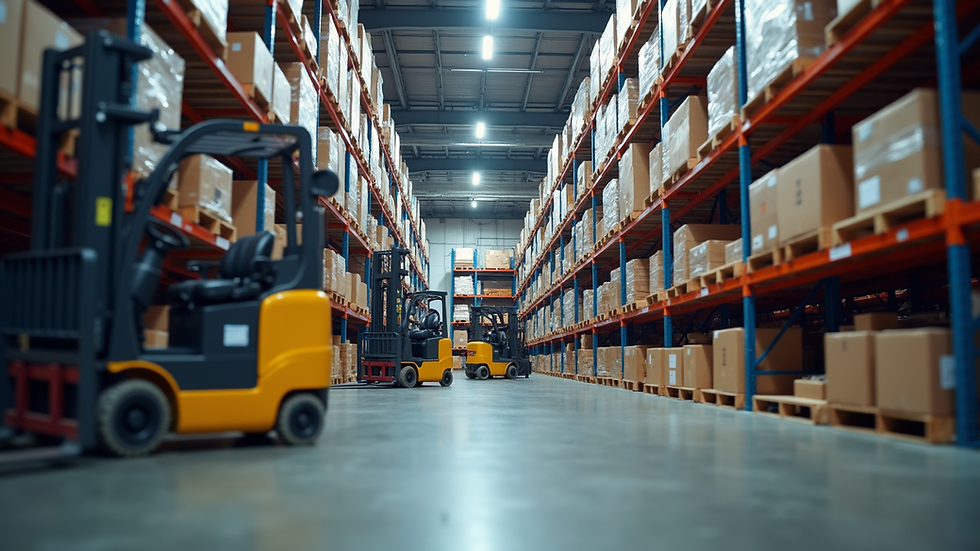
Warehousing and Distribution: Modern warehouses equipped with advanced inventory management systems support efficient storage and order fulfillment.
Customs Clearance and Compliance: Navigating China's customs regulations is crucial to avoid delays and penalties.
Value-Added Services: These include quality inspection, packaging, and legal services tailored to meet international standards.
By leveraging these components effectively, businesses can reduce costs, improve delivery times, and enhance overall supply chain reliability.

Key Challenges in China Logistics Solutions
While China offers extensive logistics infrastructure, there are challenges that businesses must address to ensure smooth operations.
Regulatory Complexity
China's regulatory environment can be complex and varies by region. Import-export rules, customs procedures, and local government policies require careful attention. Engaging with experienced customs brokers and legal advisors can help navigate these complexities.
Language and Cultural Barriers
Communication issues may arise due to language differences and business culture. Partnering with local logistics providers who understand both the language and cultural nuances is essential.
Infrastructure Disparities
While major cities boast advanced logistics facilities, rural and inland areas may have limited infrastructure. Planning routes and warehousing locations accordingly can mitigate risks.
Capacity Constraints
During peak seasons, such as Chinese New Year or major shopping festivals, transportation and warehousing capacity can become strained. Early planning and flexible scheduling are recommended.
Technology Integration
Integrating your supply chain management systems with those of Chinese logistics providers can be challenging but is vital for real-time tracking and data accuracy.
Does China have good logistics?
China has made significant investments in its logistics infrastructure over the past decades, resulting in a robust and efficient system. The country ranks highly in global logistics performance indexes, reflecting strengths in customs efficiency, infrastructure quality, and shipment tracking.
Strengths of China’s Logistics
Extensive Port Network: China operates some of the largest and most technologically advanced ports globally.
High-Speed Rail Freight: The development of high-speed rail lines has improved inland freight transport speed and reliability.
Growing E-commerce Logistics: The rise of e-commerce has driven innovation in last-mile delivery and warehousing.
Government Support: Policies aimed at improving logistics efficiency and reducing costs benefit businesses operating in China.
Areas for Improvement
Regional Disparities: Logistics quality varies significantly between coastal and inland regions.
Environmental Concerns: Increasing focus on sustainable logistics practices is needed.
Customs Procedures: While improving, customs clearance can still be time-consuming for certain goods.
Overall, China offers good logistics services, especially when working with experienced local partners who understand the nuances of the market.
Practical Tips for Optimizing Your Supply Chain in China
To make the most of China logistics solutions, consider the following actionable recommendations:
Choose the Right Logistics Partner
Select providers with proven experience in your industry and strong local networks. Verify their certifications and track record.
Leverage Technology
Use supply chain management software that integrates with your logistics providers for real-time visibility and control.
Plan for Customs Compliance
Work closely with customs brokers to ensure all documentation is accurate and complete. Stay updated on regulatory changes.
Optimize Inventory Management
Utilize warehousing solutions that offer flexibility and scalability to match your demand fluctuations.
Consider Multimodal Transport
Combining sea, air, and rail transport can balance cost and speed effectively.
Schedule Around Peak Periods
Avoid shipping during known congestion times or plan well in advance to secure capacity.
Implement Quality Control Measures
Incorporate quality inspection services in China to reduce the risk of defective products reaching your customers.
By following these steps, businesses can enhance efficiency, reduce risks, and improve customer satisfaction.
Leveraging logistics services china for Global Success
Partnering with reliable logistics services in China is essential for businesses aiming to thrive in international markets. Companies like GZQC LLC specialize in providing smooth, affordable, and dependable supply chain solutions tailored to diverse business needs.
Their expertise spans:
Supplier sourcing and verification
Quality inspection and compliance
Warehousing and distribution
Customs clearance and legal support
By collaborating with such partners, businesses can focus on growth while ensuring their supply chains operate seamlessly.
Moving Forward with Confidence in China Logistics Solutions
Navigating the complexities of China logistics solutions requires a strategic approach grounded in knowledge and local expertise. By understanding the infrastructure, addressing challenges proactively, and leveraging trusted partners, businesses can unlock the full potential of China’s logistics network.
As global trade continues to evolve, staying informed and adaptable will be key to maintaining competitive advantage. With the right logistics strategy, your supply chain can become a powerful driver of success in the international marketplace.


Comments